




Financial crashes rarely occur without external catalysts. History often demonstrates how geopolitical tensions, particularly in strategically important regions, can trigger significant market volatility and economic disruption. It happened before during the 70’s and will happen again.

This thesis examines how the potential relationship between escalating Middle East conflicts could disrupt global financial stability. The following has a particular focus on energy markets and international trade routes as a primary cause of instability.
This assessment builds upon previous analysis of potential financial vulnerabilities in 2024, examining how geopolitical tensions in the Middle East could impact global markets.
Introduction
The interconnected nature of modern economies and their fragile reliance on confidence in financial markets make the world sensitive if a regional conflict erupts. This potential war can have significant consequences for international finance, energy prices, and trade relationships.
Geopolitical Tensions in the Middle East
The primary concern centers on potential military escalation involving Israel and regional actors. Israel has historically faced multiple conflicts since its establishment, including interventions in Lebanon in 1978, 1982, and 2006.
Based on cyclical historical tensions and current diplomatic stalemates, the analysis suggests an elevated probability of a significant security event in late 2023 or 2024.
Regional Stability Implications
A decisive military action would likely destabilize the broader Middle East region. The public perception and international response would be critical factors in determining the scale of economic impact. This dynamic would be reflected in financial market sentiment.
The challenge lies in distinguishing between legitimate security operations and actions that could be perceived as disproportionate by international observers (and, therefore, a shift in trust due to uncertainty).
Historical Context and Precedent
The Genesis of Regional Tensions
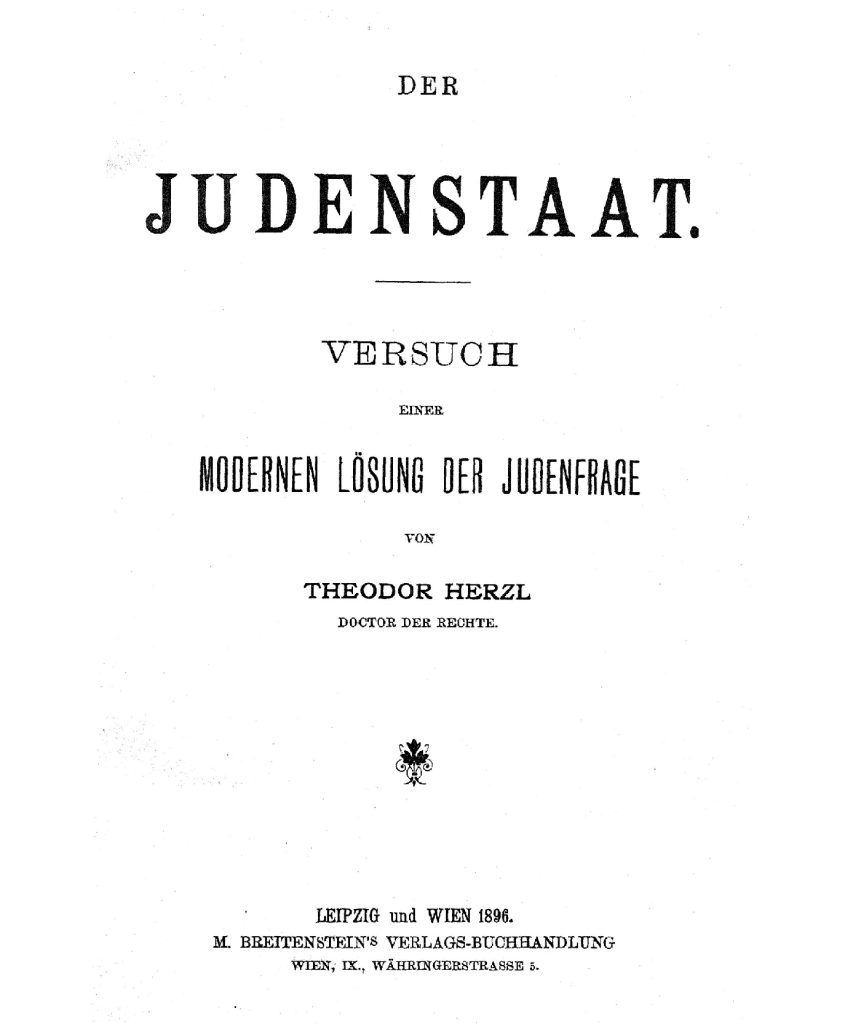
The modern state of Israel was first conceptualized in the seminal work of Theodor Herzl, “Der Judenstaat” (The Jewish State), published in 1896.
However, Israel’s state formation occurred decades later. It was facilitated by British Foreign Secretary Arthur Balfour’s 1917 declaration and the subsequent 1947 UN partition plan.
Contemporary Geopolitical Alignments
Geopolitical shifts in the early 2020s have seen various nations increasingly vocal at the UN regarding the Palestinian-Israeli conflict.
Potential coalition patterns involving nations like Jordan, Indonesia, Malaysia, Algeria, Russia, China, and South Africa, as well as European voices like Ireland and Spain, suggest that future escalations could lead to economic sanctions, trade disruptions, and shifted financial flows.
Economic Vulnerability Analysis
Energy Market Exposure
Crude oil prices represent the most immediate transmission mechanism for Middle East conflicts to global markets. Historical precedent shows that regional conflicts can drive oil prices to extreme levels within days or weeks of escalation.
Current analysis suggests that sustained conflict could drive crude oil prices to $90-92 per barrel initially, with the potential for $150-200 per barrel if supply disruptions occur or if any major war continues further escalating from the initial conflict.
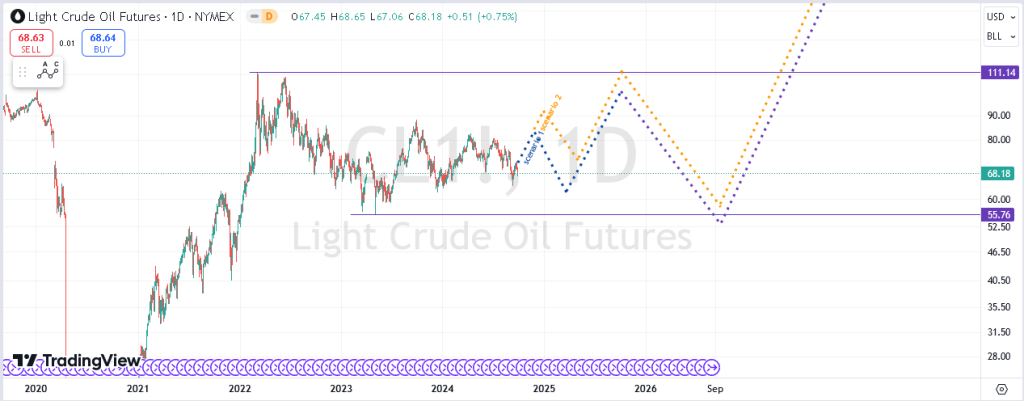
Critical technical levels to monitor include $111.04 (upside breakout) and $55.76 (downside support).
Supply Chain and Trade Route Risks
The Middle East controls several critical chokepoints for global commerce, including the Suez Canal and Strait of Hormuz. Any disruption to these routes could cascade through global supply chains, affecting everything from manufactured goods to energy supplies.
International Alliance Dynamics
BRICS Expansion and Economic Realignment
The BRICS economic bloc, originally comprising Brazil, Russia, India, China, and South Africa, has expanded to 11 members and shows potential for further growth to 21 nations. Prospective members include Algeria, Turkey, Mexico, Bangladesh, Nigeria, Senegal, Thailand, Pakistan, and Venezuela.
This expansion represents a significant shift in global economic power, potentially creating an alternative to Western-dominated financial institutions and trade relationships.
International Alliance Dynamics
BRICS Expansion and Economic Realignment
The BRICS economic bloc, originally comprising Brazil, Russia, India, China, and South Africa, is currently poised for significant expansion, with dozens of nations having formally applied or expressed interest in 2023. This expansion represents a significant shift in global economic power, potentially creating an alternative to Western-dominated financial institutions and trade relationships.
Regional Alliance Structures
Middle East alignments show complex patterns:
- Normalization/Pragmatic bloc: The UAE, Morocco, and (cautiously) Saudi Arabia.
- Axis of Resistance: Iran, Syria, and non-state actors in Lebanon, Gaza, and Yemen.
- Neutral/Mediators: Qatar, Egypt, Oman, and Kuwait.
Turkey and Egypt represent particularly influential swing countries whose positions could determine regional balance and conflict escalation potential.
Scenario Analysis
Escalation Pathways
Primary escalation risk centers on border tensions in the north or civil unrest in the territories, which could trigger broader regional involvement. The presence of Iran-backed groups creates proxy warfare dynamics that could draw in additional state actors.
US naval presence in the Mediterranean and Persian Gulf adds another layer of complexity, potentially escalating local conflicts into broader international incidents.
Market Impact Scenarios
Limited Conflict Scenario: Crude Oil should stay somewhere in the $90-100 range and bounce lower pretty shortly. Regional financial instability in countries like Turkey should follow: currency depreciation and flight of investments elsewhere.
Broad Regional War Scenario: In this case, the oil prices easily reach 150-200 dollars a barrel. This price would put further pressure on various sectors of the worldwide economy: agriculture, transport services, logistics, chemicals, and manufacturing. Net oil importers (like Japan and much of Europe) would face immediate recessionary pressure, while producers like the USA and Canada would face severe inflationary shocks.
Risk Assessment Conclusion
The convergence of multiple geopolitical tensions, alliance realignments, and economic vulnerabilities creates an elevated-risk environment for global financial markets.
While predicting exact timing remains challenging, the fundamental factors suggest significant potential for market disruption originating from Middle East conflicts. Looking for military mobilization patterns and international diplomatic responses to a conflict, and Oil futures positioning could clarify what kind of war is involved.
Financial Crash Prediction & Preparation
A comprehensive two-part series exploring market volatility patterns, historical crash indicators, and strategic preparation techniques for navigating uncertain financial landscapes.